

7 Practical Fence Installation Upgrades Improving Backyard Privacy
Backyard privacy has become a key priority for homeowners who want to make better use of their outdoor spaces without feeling exposed to neighbors or nearby streets. A thoughtful fence installation approach can completely change how a yard feels, turning it into a more secure and comfortable extension of the home. Instead of focusing only on boundaries, modern upgrades now emphasize comfort, usability, and long-term performance. Small improvements in design, materials, and layout often lead to noticeable changes in privacy and overall property value. This article breaks down practical ways to enhance privacy through smarter fencing decisions that are adaptable to different home styles and budgets.
1. Enhancing Material Selecting
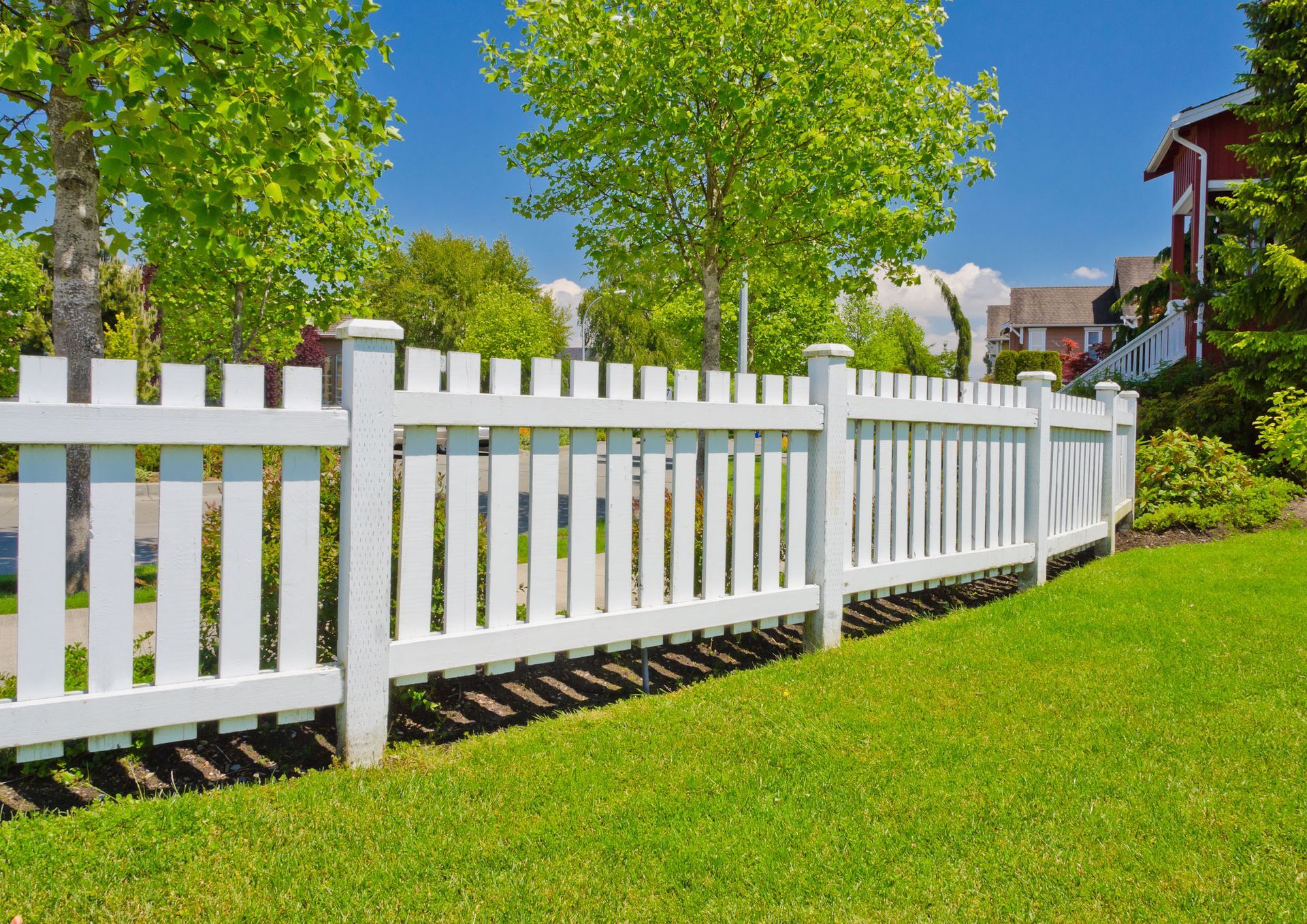
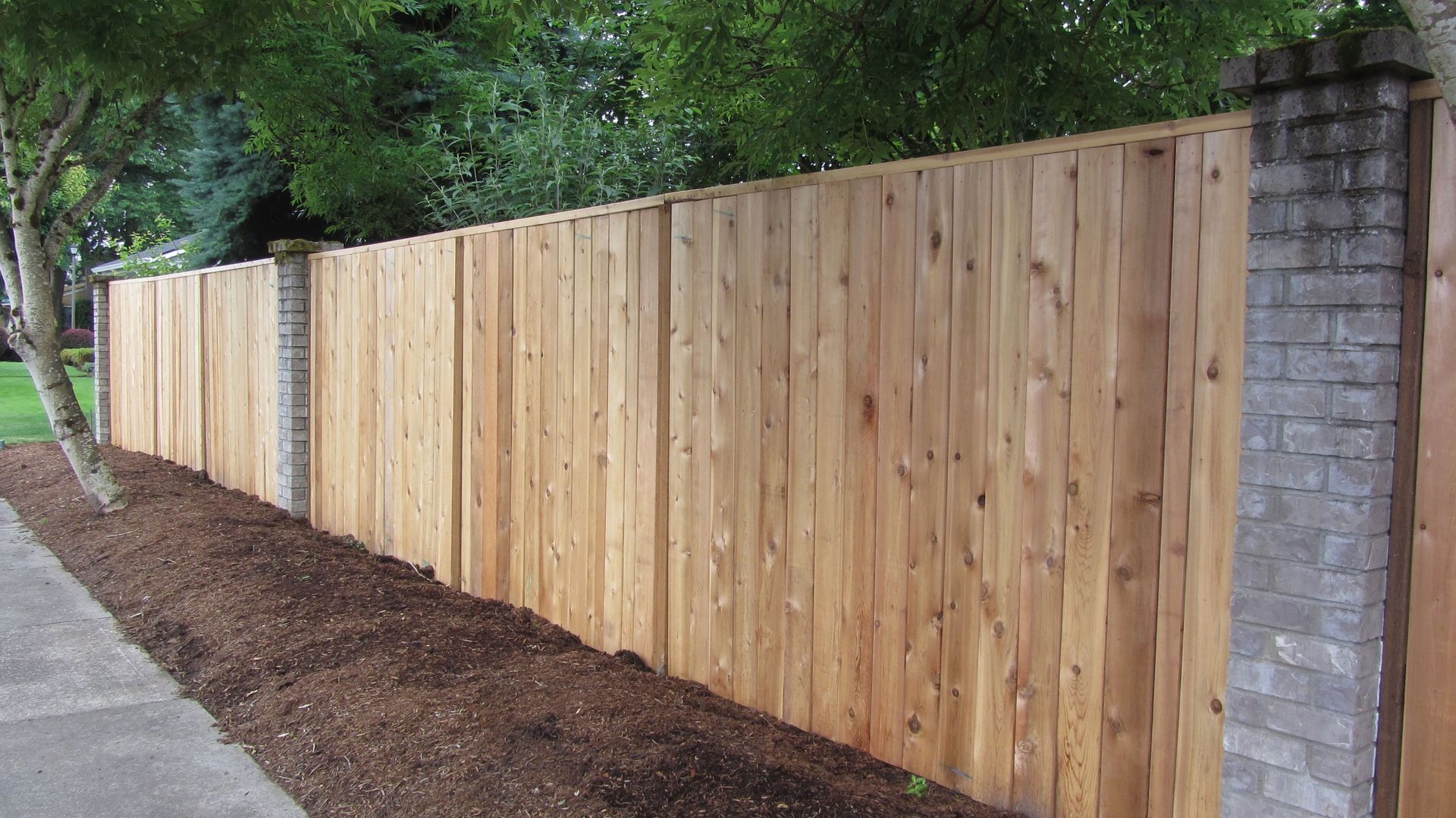
Material choice is the foundation of any successful fence installation focused on privacy and durability. Wood, vinyl, and cedar each offer different strengths depending on maintenance expectations and visual preferences. Wood provides a natural look, while vinyl is often chosen for its clean finish and low upkeep. Composite materials combine durability and design flexibility, making them suitable for long-term use. Bamboo is increasingly used for its eco-friendly appeal and natural screening effect.
In many fence installation projects, homeowners underestimate how much material selection affects privacy performance over time. Solid panel materials typically reduce visibility more effectively than spaced or decorative options. This makes material density an important factor when privacy is the main goal. According to findings summarized by Gitnux, approximately 80% of homeowners who installed fencing reported noticeable improvements in privacy and security, which highlights how impactful material decisions can be. Choosing the right material early in a fence installation process helps avoid costly adjustments later.
2. Increasing Height Designing
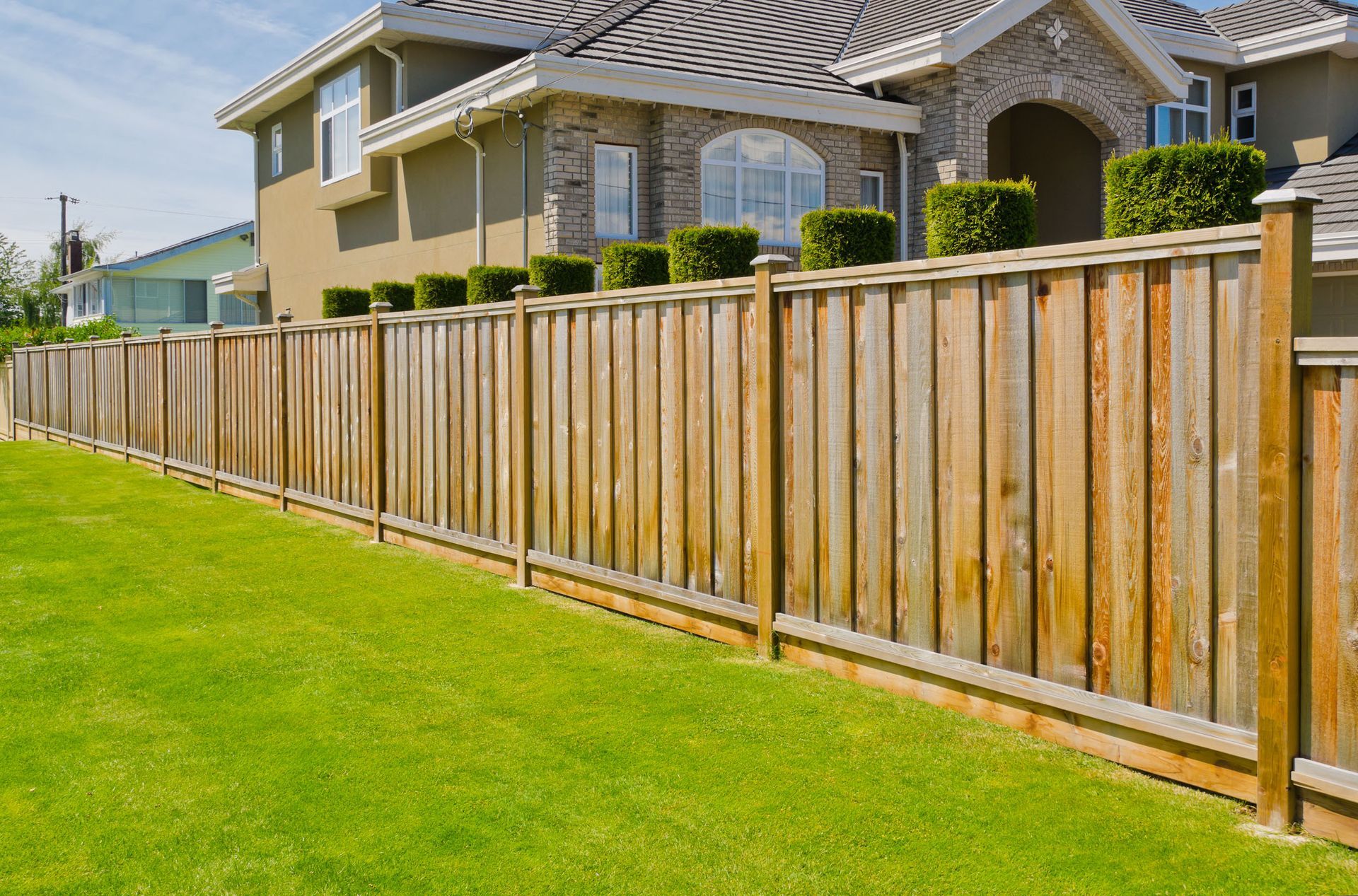
Height plays a direct role in how effective a fence installation is at creating privacy. Most residential privacy fences fall between six and eight feet, depending on local regulations and property layout. Higher fences reduce sightlines into the yard and help create a more enclosed environment. However, height alone is not always enough to guarantee full privacy if design elements are not considered.
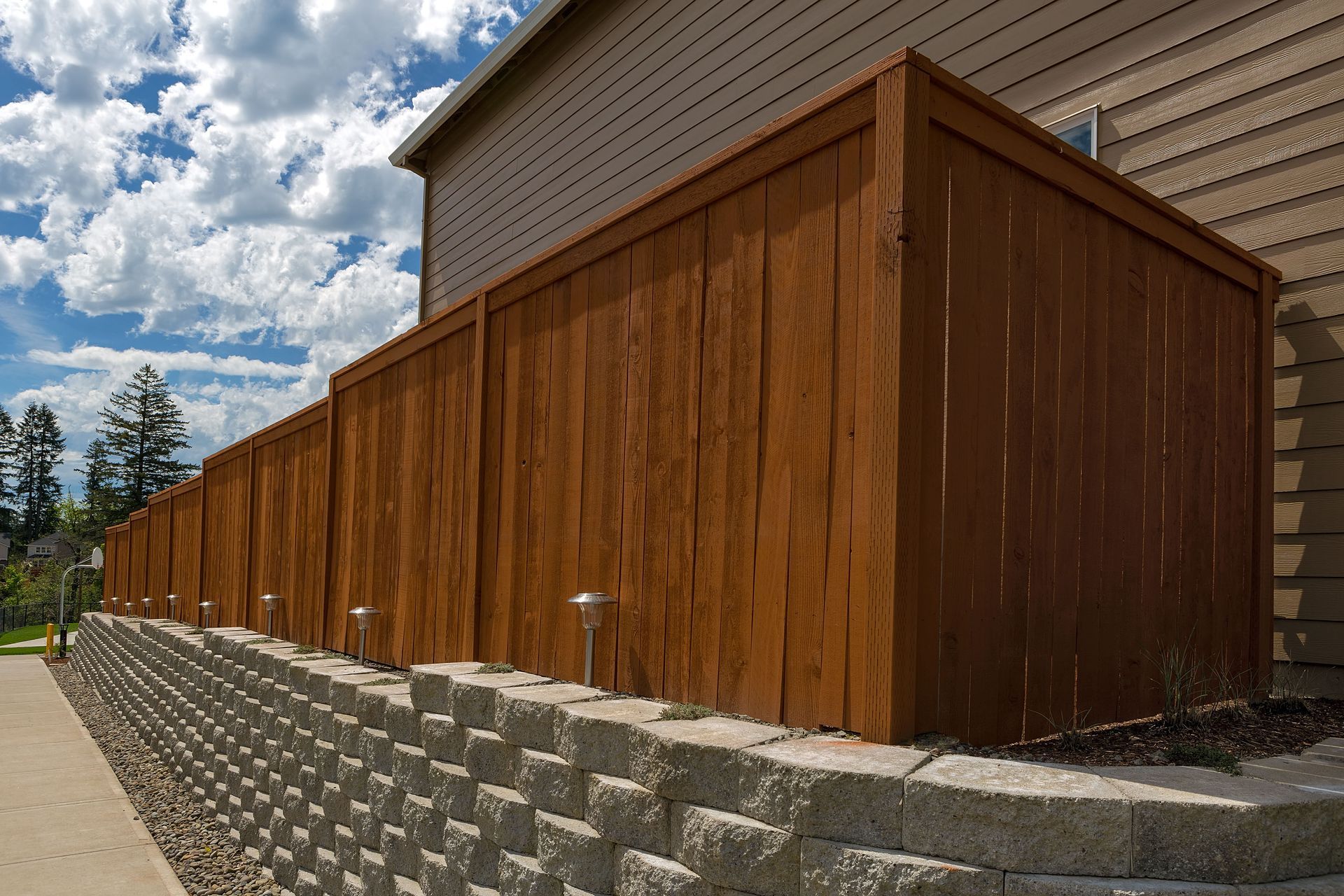
Design choices such as solid panels, staggered boards, and shadowbox styles can significantly improve screening. These elements work together to reduce visibility gaps while still allowing airflow in certain configurations. A well-planned fence installation balances height with structure to avoid creating a bulky or unnatural appearance. It also ensures the fence integrates smoothly with the home’s exterior design.
Another important consideration is proportion. A fence installation that feels too tall or out of scale can negatively affect curb appeal, even if it improves privacy. Aligning height with landscaping and architectural features helps maintain visual balance. When done correctly, height adjustments become one of the simplest yet most effective upgrades for improving backyard privacy.
3. Customizing Layout Planning
Layout planning is often overlooked in fence installation, but it plays a major role in how private a space actually feels. Instead of treating fencing as a straight perimeter line, modern designs incorporate angles, curves, and segmented sections. This allows homeowners to control visibility in specific areas while keeping other sections more open.
A customized fence installation layout also helps address uneven terrain or irregular property shapes. Without proper planning, gaps or weak points can appear, reducing overall privacy. Adjusting layout based on how the yard is used ensures that key areas such as patios, pools, or seating zones remain more secluded. This approach makes the fencing feel more intentional and functional.
Flexibility is another advantage of custom layouts. A fence installation tailored to lifestyle needs can prioritize privacy where it matters most while maintaining openness elsewhere. This balance is especially useful for homeowners who want both seclusion and natural light. Thoughtful layout planning ensures the fence works with the space rather than simply enclosing it.
4. Strengthening Privacy Layering
Layering techniques add depth and strength to any fence installation designed for improved privacy. Instead of relying on a single barrier, layering combines multiple materials or overlapping structures to block visibility from different angles. This creates a more solid and visually complex boundary.
A layered fence installation can also improve noise reduction, which is especially helpful in busy neighborhoods. Multiple surfaces help absorb sound and reduce direct transmission into outdoor living areas. This makes the yard feel more private and comfortable even when surrounded by activity. Layering also increases durability by distributing stress across different structural components.
Visually, layering adds texture and depth to fencing. It avoids the flat appearance of single-panel designs and creates a more refined finish. When properly executed, a layered fence installation improves both privacy and aesthetic appeal without making the space feel enclosed or restrictive.
5. Integrating Plant Enhancing
Natural elements can significantly elevate the results of a fence installation by adding softness and additional coverage. Plants such as hedges, ivy, climbing vines, and trees work alongside fencing to create a more complete privacy system. These additions help fill gaps and extend height naturally without requiring structural changes.
In many fence installation projects, plant integration is used to enhance visual density. Climbing plants can cover open panels, while hedges provide consistent screening at ground level. Tree lines offer taller coverage and also improve shade and wind protection. These natural additions create a layered outdoor environment that feels more organic.
Plant-based enhancements also improve the overall atmosphere of a yard. A fence installation supported by greenery feels more inviting and less rigid. It creates a balance between structure and nature, making outdoor spaces more enjoyable throughout the year while still maintaining privacy.
6. Improving Security Adding
Privacy and security often work together in modern fence installation planning. Adding security features such as motion lighting, cameras, and smart locking systems enhances protection while supporting privacy goals. These upgrades help monitor activity around the perimeter and discourage unwanted access.
Motion lighting is a simple but effective addition to any fence installation because it improves visibility at night and increases safety. Surveillance systems provide continuous monitoring and allow homeowners to check property activity remotely. Smart locks add controlled access to gates, making entry management more secure and convenient.
Integrating these features into fence installation creates a more complete system rather than relying on physical barriers alone. Security enhancements reinforce privacy by reducing vulnerabilities and increasing control over who enters the space. This combination is especially valuable in residential areas where boundaries are shared or closely spaced.
7. Refining Finish Styling
Finishing choices are often the final step in a fence installation, but they have a strong impact on both privacy and appearance. Stains, paints, and protective coatings help define how the fence blends with its surroundings while also extending its lifespan. Natural stains highlight texture, while opaque paints provide full coverage for a more uniform look.
A well-finished fence installation also reduces visual distractions that can weaken privacy. Darker finishes tend to absorb light and reduce visibility, while lighter tones can enhance openness without compromising coverage. Choosing the right finish depends on both design preference and functional goals.
Maintenance also plays a role in long-term performance. Regular refinishing helps preserve both appearance and durability. A properly maintained fence installation continues to provide strong privacy benefits while keeping the property looking clean and well-kept.
Improving backyard privacy is not about a single solution but a combination of thoughtful decisions across materials, structure, layout, and design. A strategic fence installation approach brings all these elements together to create a more functional and comfortable outdoor space. When upgrades are planned with both practicality and aesthetics in mind, the result is a yard that feels more secure and enjoyable year-round. For professional guidance and reliable results, contact Boston Fence & Vinyl for expert fence installation support tailored to your property.
Share On: